Mediterranean Diet Scallops – Unlock Healthy Eating 2026!
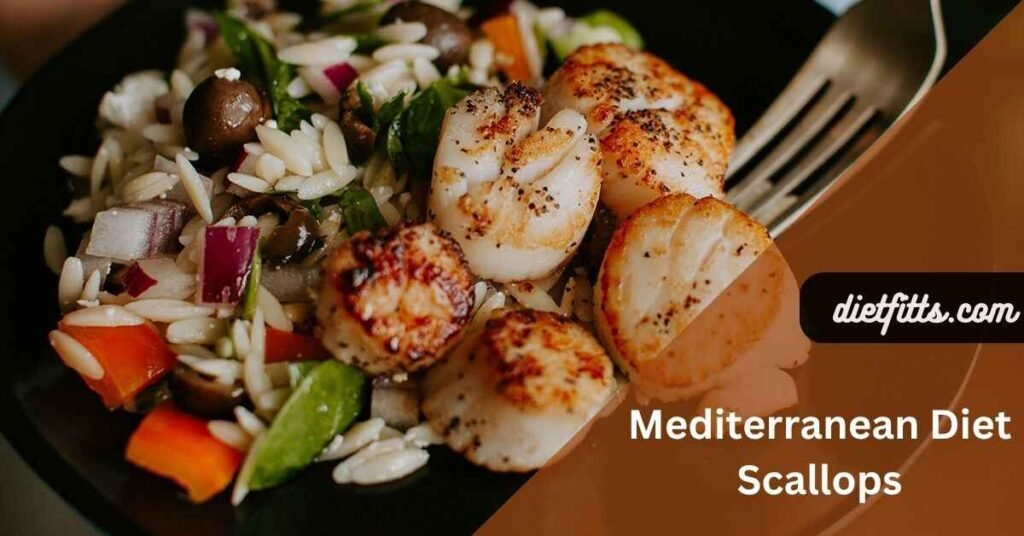
Yes, you can enjoy Mediterranean Diet Scallops. They contains 80% protein, are also rich in heart-healthy omega-3 fatty acids, and provide 12 nutrients in only 88 calories. They are:
- Low in fat
- High in lean protein
- Helps to reduce inflammation.
Their mild, buttery flavor makes scallops easy to cook. They go well with simple Mediterranean ingredients like olive oil, garlic, lemon, and fresh herbs.
If you haven’t tried Mediterranean diet scallops yet, don’t worry. I’m here to share some amazing ways to enjoy and make this delicious dish.
Table of Contents:
What Are Scallops? – What You Know!
Scallops are a type of shellfish that live in saltwater around the world. They belong to the mollusk family and are known for their soft texture and slightly sweet taste. Each scallop has a fan-shaped shell, but only the round muscle inside is eaten.
There are two main types you’ll see in stores:
- Sea scallops (They are larger)
- Bay scallops ( They are smaller)
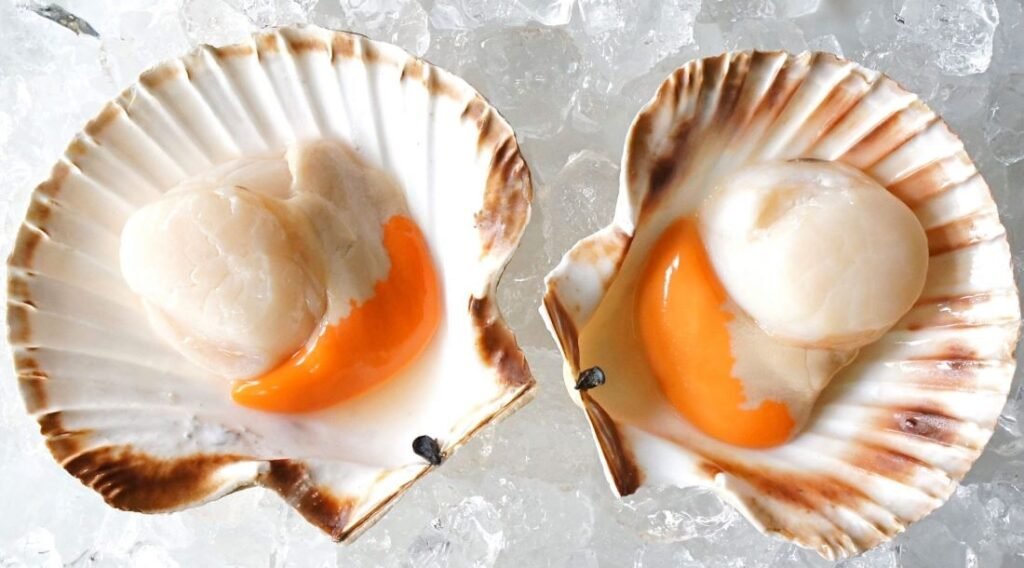
This edible muscle is soft yet firm, which is why scallops are popular in many cooking styles. They can be quickly fried, grilled, or baked and work well with many simple flavors. They are also high in protein and low in fat, making them a good fit for healthy eating, like the Mediterranean diet.
What Makes Scallops A Mediterranean Diet Powerhouse? – Must Consider It!
The Mediterranean diet is based on a simple rule: eat seafood and fatty fish at least two times a week. This is an important part of its heart and health benefits, not just a suggestion. Scallops fit this rule very well.
Compared with red meat or even some farmed fish, scallops are light, clean, and nutrient-dense. They are mostly protein with very little fat, which helps you stay full without taking in many calories.
The Mediterranean diet focuses on whole foods, healthy fats, and minimal processing — and scallops match all of these. They are also:
- Very quick to cook (about 3–4 minutes)
- Lower in calories than many other seafood options
- Easy to find in frozen form all year round
- A more eco-friendly seafood choice
Simple, fast, and healthy — that’s why scallops work so well in this diet.
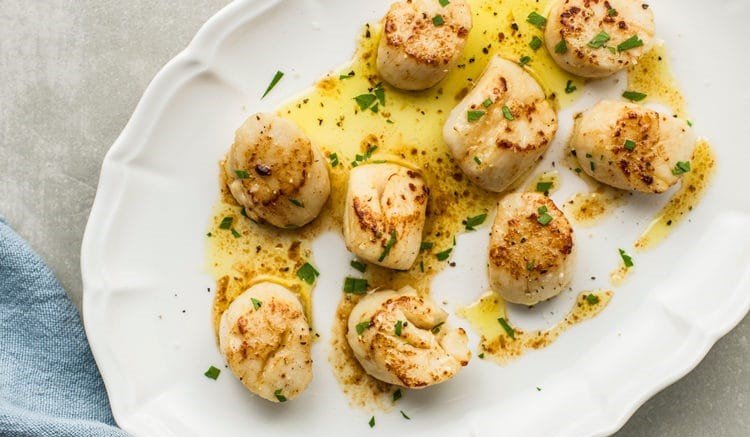
Scallop Nutrition Facts (Per 100g Serving – Raw) – Impressive Information!
| Nutrient | Amount | % Daily Value |
| Calories | 88 kcal | — |
| Protein | 17 g | 34% |
| Total Fat | 0.8 g | 1% |
| Saturated Fat | 0.1 g | <1% |
| Omega-3 Fatty Acids | 220 mg | 5% |
| Vitamin B12 | 1.6 mcg | 67% |
| Magnesium | 22 mg | 5% |
| Phosphorus | 334 mg | 27% |
| Selenium | 15.8 mcg | 29% |
| Zinc | 0.9 mg | 8% |
| Potassium | 314 mg | 7% |
| Iron | 0.4 mg | 2% |
Source: USDA National Nutrient Database
These numbers are impressive because scallops give a lot of nutrition with very few calories. This makes them a great choice for people who want to manage weight, blood sugar, or heart health while following a Mediterranean-style diet.
The USDA Dietary Guidelines for Americans (2020–2025) also support eating seafood like scallops as part of a healthy, balanced diet.
Now that we have covered some information regarding scallops, their nutritional value. Now let’s explore some health benefits, and more so, stay with me. For more details, visit this Forum Website.
Health Benefits Of Scallops – What You Must Know!
1. It keeps the heart healthy:
Scallops are rich in omega-3 fatty acids, which are healthy fats that help balance cholesterol levels and may lower the risk of heart disease. They also contain a good amount of magnesium, which supports heart health by relaxing blood vessels. It’s also helping to reduce blood pressure and improve blood flow.
One study also found that people with low magnesium levels had up to a 54% higher risk of dying from heart disease.
2. It Has Powerful Lean Protein for Weight Management:
Scallops are a great source of lean protein. Studies show that high-protein foods can help with weight loss because they keep you feeling full for longer. Protein may also help support a faster metabolism.
Even better, scallops contain amino acids like taurine and glycine. Research suggests these may help reduce weight gain and lower the risk of obesity. This is something many other protein foods don’t provide.
3. May Support Brain And Memory Health:
Scallops contain a good amount of zinc, which helps support memory and keeps hormones balanced. They are also rich in vitamin B12, which supports healthy brain function.
The omega-3 fats in scallops help support the nervous system, keep the heart rhythm steady, and may also help improve memory.
4. Rich in Selenium – Important Antioxidant for the Body:
Selenium is an important mineral that many people do not get enough of in their diets. It helps protect the body and supports overall health.
Scallops are also a good source of omega-3 fats (EPA and DHA), which support:
- Heart health
- Reduce inflammation
- Help the brain work better
Studies show that eating seafood may lower the risk of heart disease, stroke, obesity, and high blood pressure.
5. Muscle Strength and Bone Health:
Studies show that magnesium in scallops helps to reduce:
- Muscle cramps
- Supports muscle repair
- Improves muscle strength
Getting enough magnesium in your diet may also help keep your bones strong and lower the risk of bone-related problems like osteoporosis.

When it comes to the adductor muscle, I find scallops very mild and neutral in flavor. For me, the taste is clean with a slight hint of the sea, similar to a very light shrimp. I also find them soft and tender, almost like chicken breast, but even more delicate.
When I sear scallops properly, I experience them as extremely soft and juicy—one of the most tender seafood textures I can enjoy.
Read Also: Carnivore Diet Diarrhea – Let’s fix this together!
Possible Risks Of Eating Scallops – Important To Know!
1. Shellfish Allergy:
Some people are allergic to shellfish like scallops. Reactions can be mild or severe.
Symptoms may include:
- Itching or skin rash
- Swelling of the face or lips
- Trouble breathing (in serious cases)
If someone has a shellfish allergy, scallops should be avoided completely.
2. Mercury (Very Low Risk):
Scallops contain only very small amounts of mercury compared to many other seafood types. Still, certain groups should be careful:
- Pregnant women
- Breastfeeding mothers
- Young children
Eating scallops in moderation is generally considered safe.
3. Food Poisoning Risk:
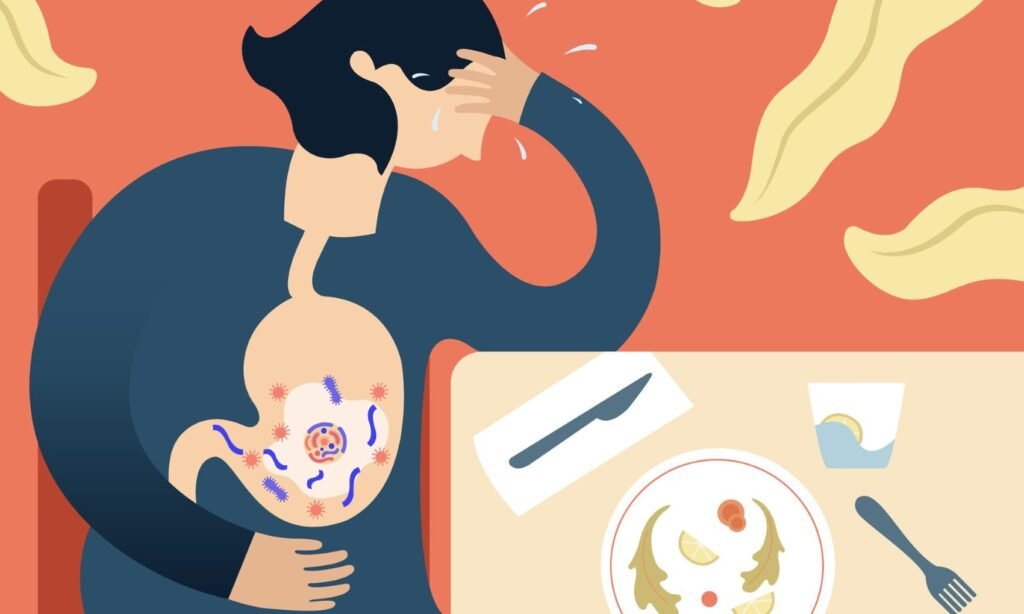
Like other seafood, scallops can cause illness if they are not stored or cooked properly. One concern is Vibrio bacteria, especially if scallops are eaten raw or undercooked.
Possible symptoms include:
- Stomach pain
- Diarrhea
- Vomiting
- Fever
Proper cooking greatly reduces this risk.
4. Purines (Kidney & Gout Concern):
Scallops contain purines, which break down into uric acid in the body. In large amounts, this may:
- Increase risk of gout flare-ups
- Contribute to kidney stone formation in sensitive people
If you already have these conditions, limit intake.
5. Shellfish Toxins (Rare but Serious):
In rare cases, scallops from polluted waters may contain natural toxins. This can cause stomach illness, but the risk is very low when buying from trusted and regulated seafood suppliers.
How To Choose The Right Scallops – Keep In Mind!
1. Dry vs Wet Scallops:
| Type | What It Means | Cooking Result | Simple Advice |
| Dry Scallops | No added water or chemicals | Quick frying, golden crust, natural sweet taste | Best choice |
| Wet Scallops | Soaked in a water solution to increase weight | Release water, steam instead of sear, soft texture | Avoid if possible |
2. Fresh vs Frozen Scallops:
| Type | What It Means | Benefits | Simple Tip |
| Fresh Scallops | Sold at the seafood counter | Good taste if truly fresh | Use quickly |
| Frozen Scallops | Frozen soon after being caught | Often very fresh, easy to store | Defrost before cooking |
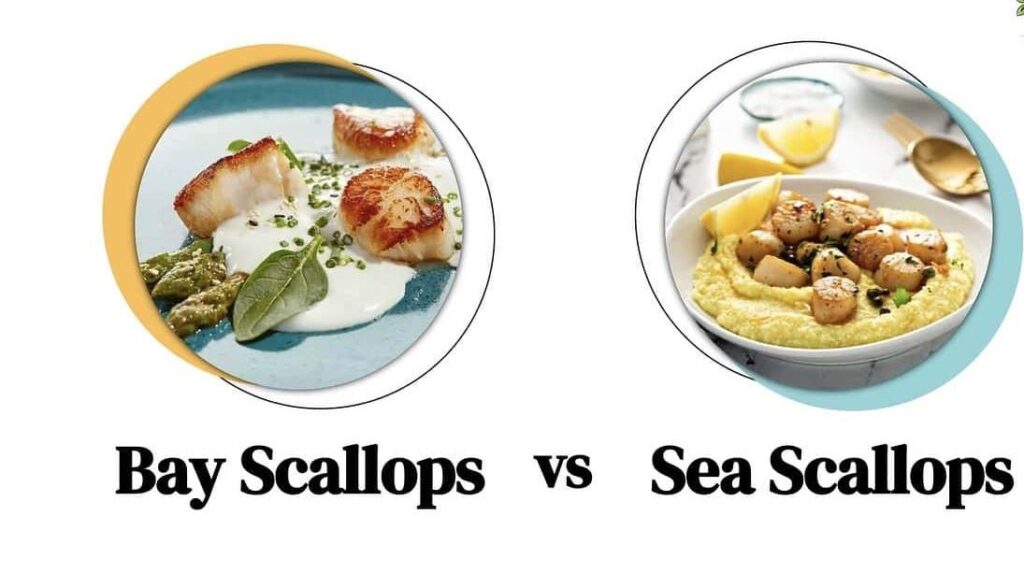
3. Sea Scallops vs Bay Scallops:
| Type | Size | Best Use |
| Sea Scallops | Large (10–20 per pound) | Quick frying, grilling, and main dishes |
| Bay Scallops | Small (50–100 per pound) | Pasta, soups, and quick cooking |
Perfect Mediterranean Cooking Method – Note Simple Steps!
Step 1 — Dry them well:
- Use paper towels to dry both sides of the scallops. Make sure they are very dry.
- This is important because moisture stops them from getting a golden crust.
Step 2 — Add simple seasoning:
- Use only salt and black pepper.
- Scallops have a natural sweet taste, so heavy spices are not needed.
Step 3 — Heat the pan properly:
- Heat a pan until it is very hot.
- Add extra virgin olive oil for cooking.
- The oil helps create a nice golden color and stops scallops from sticking.
Must Read It: Mediterranean Cortisol Detox Diet – Finally Feel Like Yourself Again!
Step 4 — Leave them alone:
- Place the scallops in the pan and don’t move them.
- Let them cook for 2–3 minutes until they naturally release from the pan.
Step 5 — Flip once and finish:
- Turn them only one time. Cook for another 1–2 minutes.
- They are ready when the center looks white, and they feel slightly firm.
Step 6 — Serve quickly:
- Serve immediately after cooking.
- Add a little lemon juice on top for fresh flavor.
Mediterranean-Style Scallops Recipe – Try It!
Ingredients:
- Extra virgin olive oil
- 1 shallot, thinly sliced
- ½ red bell pepper, thinly sliced
- ½ green bell pepper, thinly sliced
- 4 to 5 garlic cloves, minced
- 10 oz grape tomatoes, halved
- 2 tbsp capers, drained
- Kosher salt
- Black pepper
- ½ tsp oregano
- ½ tsp cumin
- ½ tsp paprika
- 1 lb wild-caught sea scallops (thawed if frozen)
- Splash of fresh lemon juice
- A handful of fresh chopped parsley for garnish
Instructions:
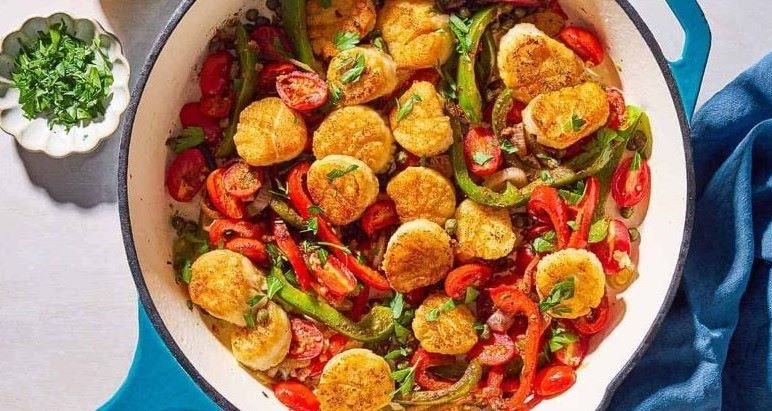
- In a large cast-iron skillet, heat 2 to 3 tablespoons of extra virgin olive oil over medium heat until it shimmers but doesn’t smoke.
- Add chopped shallots, red bell peppers, and green bell peppers. Turn the heat up to medium-high and cook for about 3 minutes, stirring occasionally.
- Add minced garlic, chopped tomatoes, and capers. Season with salt and black pepper. Add oregano, cumin, and paprika. Stir everything together. Cook for another 5 to 7 minutes, stirring occasionally. Keep this mixture warm while you cook the scallops.
- In a separate skillet, heat another 2 tablespoons of extra virgin olive oil over medium-high heat. Add the scallops and cook for 2 minutes on one side, then flip and cook for another 1 to 2 minutes (don’t overcook).
- Move the scallops immediately to the other pan with the tomato and pepper mixture. Drizzle a little lemon juice over everything. Garnish with chopped parsley.
- Remove from heat and serve right away over lemon rice or plain orzo.
Important Notes For Cooking Scallops:
- Don’t overcook the scallops, or they will become chewy and tough. When they turn golden brown on both sides and start to break a bit around the edges, they are done.
- Cook the scallops last because they need to be served right away. In this recipe, I made the tomato and bell pepper mixture in one skillet and kept it warm.
- While I cooked the scallops in another skillet. When the scallops were ready, I added them to the warm mixture.
- If you’re making salads or other sides, prepare them in advance.
I really like scallops because they have a soft, sweet taste. I usually save them for special meals or when I have guests. But they are actually very quick and easy to cook, so you can enjoy them any day of the week. Trust me, this simple scallop recipe is full of flavor and definitely worth trying.
Must Read It: Is Sushi On The Mediterranean Diet – Guide In 2026!
Healthy Ways to Cook Scallops – (Simple Tips)
1. Baking:
Baking takes a little longer but makes the scallops soft and tender. To keep them juicy:
- Use high heat
- Don’t overcook them
- Keep them lightly moist
Bake at 450°F for about 10 minutes. Add just a little lemon juice, pepper, and avoid too much oil, sugar, or salt.
2. Broiling:
- Broiling cooks scallops very quickly over high heat.
- Brush them lightly with olive oil so they don’t dry out. Olive oil also adds healthy fats.
- Cook for about 5 minutes, then flip and cook for 1 more minute until done.

3. Pan-Frying:
- This method gives scallops a crispy outside and soft inside.
- Heat a pan, add olive oil and a little garlic for flavor. Add all the scallops together so they cook evenly.
- Cook each side for 2–3 minutes. They are ready when they turn white and feel firm.
4. Grilling:
- Grilling adds a smoky flavor but needs care, so scallops don’t fall through.
- Put scallops on skewers or use two skewers to hold them steady. You can also add vegetables.
- Grill on a medium-high heat for 2–3 minutes per side, turning carefully.
Frequently Asked Questions:
1. How Many Scallops Should You Eat In A Day?
A healthy serving of scallops is about 3–5 ounces (around 4–6 large scallops) per meal. They are very lean and high in protein, so there’s no strict limit, but one standard serving of 4–5 ounces per day fits well in a healthy diet.
2. Are scallops high in cholesterol?
Scallops are not high in cholesterol. A 3-ounce (85 g) serving has only about 34–41 mg of cholesterol. They are also very low in saturated fat and high in lean protein and heart-healthy omega-3 fats.
3. Are Scallops Good For Weight Loss?
Yes, Scallops are very low in calories, with about 88 calories per 100g and 17g of protein. This makes them a filling, high-protein food without many calories. They also contain amino acids that may support healthy weight management.
Conclusion:
Scallops are a highly nutritious seafood that fits perfectly into the Mediterranean diet. They are rich in lean protein, omega-3 fats, and essential minerals, yet low in calories. When properly chosen and cooked, they offer both great taste and health benefits, making them a simple, safe, and valuable addition to a balanced diet.

Hi! I’m Olivia Steeve, a certified nutritionist with over 11 years of experience in the field of diet and nutrition. At DietFitts, I focus on providing scientifically-backed, practical advice to help individuals achieve their health and fitness goals through balanced eating. I share insights, tips, and personalized guidance to help you make healthier choices and live your best life.