
Mediterranean Diet For Diabetics – Eat Smart Daily!

Living with diabetes can feel hard, but planning your meals does not have to be difficult. A healthy eating pattern can help you choose better foods and manage your health more easily.
Yes, the Mediterranean diet helps manage and prevent type 2 diabetes by stabilizing:
- Blood sugar
- Improving insulin sensitivity
- Lowering inflammation
It focuses on fiber-rich plants, lean proteins, and healthy fats while limiting refined carbs and sugar.
Table of Contents:
Is The Mediterranean Diet For Diabetics Good? – Quick Answer!
Yes — and there is strong proof for it.
The Mediterranean diet is a healthy eating style based on traditional foods from countries like Greece, Italy, and Spain. It focuses on simple, natural foods such as:
- Vegetables
- Fruits
- Beans
- Nuts
- Whole grains
- Olive oil
It also includes fish and chicken in moderate amounts, while red meat, processed foods, and sugar are kept low.

In 2024, it was ranked the #1 best overall diet by U.S. News & World Report for the seventh year in a row. For people with diabetes, it is one of the most studied and trusted eating patterns in nutrition science.
For people with Type 2 diabetes, this diet is widely recommended because it helps control blood sugar, improves how the body uses insulin, and supports heart health. It can help improve blood sugar control, lower HbA1c, reduce insulin resistance, support weight loss, and lower the risk of heart disease, which is a common complication of diabetes.
Research from many studies shows that people following this diet often have better blood sugar levels and improved overall health.
What Is The Role Of Diet In Diabetes? – Have A Look!
If you have type 2 diabetes, prediabetes, or are at risk, your diet plays a very important role in controlling blood sugar. Many people know they should eat healthy, but they are not sure what that really means.
The good news is you don’t need strict or extreme diets. The Mediterranean diet is a simple and healthy option that can help manage diabetes. It includes foods like:
- Vegetables
- Fruits
- Whole grains
- Healthy fats
- Nuts
- Lean proteins
These foods help keep blood sugar steady and improve how the body uses insulin. This eating style also helps reduce inflammation and supports overall health. Many people find it easier to follow because it focuses on tasty, filling foods rather than restrictions.

Some programs may also offer meal plans designed for people with diabetes. These plans help improve blood sugar levels, support weight loss, and make healthy eating easier by offering a variety of food choices, including Mediterranean-style meals.
How Diet Affects Insulin Resistance:
Insulin resistance is a main cause of type 2 diabetes. It happens when the body’s cells do not respond well to insulin, a hormone that helps move sugar from the blood into the cells for energy.
When this happens, the body makes more insulin to try to fix the problem. Over time, it cannot keep up, which leads to high blood sugar, weight gain, and a higher risk of diabetes problems.
Diet plays a big role in this process. Foods high in sugar, refined carbs, and unhealthy fats can worsen insulin resistance. On the other hand, foods that are high in fiber, vitamins, and healthy fats can help the body respond better to insulin.
The Mediterranean diet helps in this case because it includes healthy foods like olive oil, vegetables, beans, nuts, and whole grains. These foods can help improve insulin sensitivity and support better blood sugar control.
Now you know how the Mediterranean diet can help with diabetes, blood sugar, and insulin resistance. Next, let’s look at the best foods to eat and the foods to avoid. For more helpful diet tips and meal ideas, feel free to visit our community website.
Why the Mediterranean Diet Works for Diabetes Management – Understand Why!
1. High-Fiber, Healthy Fats, and Low-Glycemic Carbohydrates:

One reason the Mediterranean diet works well for managing diabetes is its simple, balanced nutrition. It includes fiber-rich vegetables, beans, whole grains, and nuts, which help slow down how quickly sugar enters your blood and reduce sudden blood sugar spikes after meals.
It also focuses on low-glycemic foods, which means the carbohydrates are digested more slowly, helping to keep blood sugar levels steady.
Along with this, it includes healthy fats from olive oil, fish, and seeds, which support better blood sugar control and overall health.
2. Anti-inflammatory effects on insulin sensitivity:
Long-term inflammation is one of the main reasons the body becomes less sensitive to insulin. The Mediterranean diet helps reduce this problem because it is rich in natural antioxidants and plant compounds that protect the body from stress and damage.
Foods like berries, leafy green vegetables, and extra virgin olive oil help improve how insulin works and may also help lower long-term blood sugar levels (A1c).
It also has a strong anti-inflammatory effect. Plant compounds from colorful vegetables, antioxidants from olive oil, and omega-3 fats from fish work together to reduce internal inflammation and oxidative stress. This helps protect the body from insulin resistance and related diabetes complications.
3. Heart Health Protection (Very Important For People With Diabetes):
Heart disease is one of the biggest health risks for people with diabetes. The Mediterranean diet helps reduce this risk by using healthy fats, fiber-rich foods, and natural anti-inflammatory nutrients that support overall heart function.

It also helps improve cholesterol levels by lowering “bad” LDL cholesterol and supporting “good” HDL cholesterol. This can reduce plaque buildup in the arteries and improve blood flow.
Another important benefit is that it helps naturally control blood pressure, Thanks to foods like fruits, vegetables, olive oil, and fish, which support healthier blood vessels. Over time, this lowers the risk of heart attacks, strokes, and other serious heart problems linked to diabetes.
4. Improved Insulin Sensitivity:
The Mediterranean diet, especially its use of extra virgin olive oil, helps the body respond better to insulin. It is rich in healthy fats called monounsaturated fatty acids (MUFAs), which support better communication between insulin and body cells.
When insulin works more effectively, sugar moves from the blood into the cells more easily. This reduces strain on the pancreas and helps keep blood sugar levels more stable. Over time, this can also lower insulin resistance, improve energy levels, and reduce the risk of complications from type 2 diabetes.
5. Satiety And Appetite Control Benefits:
Controlling blood sugar is not only about lab results—it also affects how hungry you feel. Mediterranean meals keep you full for longer because they are rich in fiber and healthy fats.
This helps reduce sudden hunger and cravings, especially for sugary or unhealthy snacks. As a result, it becomes easier to manage your appetite and maintain steady energy throughout the day.
This article is personal for me because my mother has lived with type 2 diabetes for over 10 years. I watched her struggle with high blood sugar, tiredness, medicines, weight, and low energy.
After learning about the Mediterranean diet, I asked her to try it for just two weeks. Slowly, she started feeling better, her blood sugar improved, she slept better, lost some weight, and felt more active. That is why DietFitts exists — to share simple, evidence-based diet information that may help people like my mother feel healthier, one meal at a time.
Read Also: Mediterranean Cortisol Detox Diet – Finally Feel Like Yourself Again!
What the Latest Science Says (2025–2026) – Some Research!

- Recent research strongly supports the Mediterranean diet as one of the most effective eating patterns for diabetes prevention and control.
- A major Harvard-led study in 2025 followed around 5,000 participants and found that people who followed a Mediterranean-style diet along with regular physical activity and calorie control had about a 31% lower risk of developing type 2 diabetes. The study highlights that consistent lifestyle changes can make a major difference at a population level.
- In another large 2025 analysis of multiple clinical trials, researchers found clear improvements among people with type 2 diabetes in:
- blood sugar levels
- body weight
- overall heart health.
- The same review also reported improved cholesterol balance and lower blood pressure among participants following this dietary pattern.
- A review of many clinical trials found that the Mediterranean diet can lower long-term blood sugar levels (HbA1c) by about 0.1% to 0.6%. No studies showed any increase in blood sugar levels, indicating the diet is safe and reliable for people with diabetes.
- Research from 2014 to 2024 also shows that scientists are publishing more and more studies on the Mediterranean diet and diabetes. This shows growing interest and strong confidence in its health benefits worldwide.
- Overall, the evidence is consistent. The Mediterranean diet has steady, proven benefits and is widely considered one of the best eating patterns for managing diabetes and improving overall metabolic health.
How The Mediterranean Diet Compares With Other Diets – Learn More Now!
1. Mediterranean vs. Low-Fat Diets:
Low-fat diets often reduce fat too much and replace it with refined or processed carbohydrates. This can cause faster rises in blood sugar and may make diabetes harder to control.

In contrast, the Mediterranean diet includes healthy fats from olive oil, nuts, and fish. These fats help you feel full for longer and improve the body’s response to insulin, leading to more stable blood sugar levels.
2. Mediterranean vs. Low-Carb Diets:
Low-carb diets sharply reduce carbohydrate intake, which can quickly lower blood sugar levels in some people. However, they can also be difficult to follow in the long term and may limit access to healthy foods such as fruits, legumes, and whole grains.
The Mediterranean diet takes a more balanced approach. It includes healthy carbohydrates from whole foods along with fiber, healthy fats, and protein. This makes it easier to maintain over time while still supporting steady blood sugar control and heart health.
Must Read It: Is Sushi On The Mediterranean Diet – Guide In 2026!
3. Mediterranean vs. Other Popular Diets (Fad Diets):
Many fad diets promise fast results, but they are often too strict or unbalanced, which makes them hard to follow for a long time.
The Mediterranean diet is different because it is based on real, everyday foods and has strong scientific support over many years. Health experts widely recommend it for type 2 diabetes because it is safe, flexible, and sustainable for long-term use.
What To Eat Or Avoid In A Mediterranean Diet For Diabetics – Core Foods!

| Food Group | Examples | Key Benefits |
| Vegetables | Spinach, kale, broccoli, zucchini, tomatoes | High in fiber, vitamins, minerals, and antioxidants that help support blood sugar control |
| Healthy Fats | Extra virgin olive oil, avocados, almonds, walnuts, pistachios | Help improve insulin response and keep blood sugar more stable |
| Lean Proteins | Salmon, sardines, mackerel, chicken (moderate), eggs | Provide protein and omega-3 fats that support heart and metabolic health |
| Whole Grains | Oats, quinoa, brown rice, whole wheat bread | Slow-digesting carbs that prevent sharp blood sugar spikes |
| Legumes | Lentils, chickpeas, beans | High in fiber and protein, help reduce blood sugar spikes and improve fullness |
| Low-Glycemic Fruits | Berries, apples, pears, citrus fruits | Provide natural sweetness with less impact on blood sugar levels |
Diabetic Tip: Try to make half of your plate non-starchy vegetables like spinach, broccoli, or zucchini. They are low in carbs and high in nutrients, so they help you stay full without raising blood sugar levels.
1. Foods to Strictly Limit or Avoid (They Can Raise Blood Sugar):
- Refined grains: White bread, white pasta, white rice, and other processed flour foods. These digest quickly and can raise blood sugar fast.
- Added-sugar foods: soda, fruit juices, candy, cakes, cookies, and pastries. These cause quick sugar spikes.
- Processed meats: Sausages, bacon, hot dogs, and deli meats. These are high in salt and unhealthy fats.
- Unhealthy fats: Butter, margarine, lard, and highly processed oils. These can affect heart and insulin health.
- High-fat processed dairy: Ice cream and creamy sauces. These are often high in sugar and unhealthy fats.
- Packaged salty snacks: Chips, crackers, and canned soups. These are high in salt and low in nutrition.
- Fried foods: Deep-fried items are high in unhealthy fats and calories.

2. About Wine (Important Note):
The traditional Mediterranean diet sometimes includes a small amount of red wine with meals. For people with diabetes, this is not a simple choice. If someone already drinks alcohol, a small glass of red wine with food may be okay for some people and has been linked in some studies to better insulin response.
However, alcohol can also lower blood sugar too much, especially in people using insulin or certain diabetes medicines. Because of this risk, it is very important to speak with a doctor before drinking alcohol. For many people with diabetes, avoiding alcohol is the safest option.
Critical Mistakes Diabetics Should Avoid – Stop These Now!
Mistake 1: Changing diet too fast:
Switching your whole diet overnight can feel stressful and hard to maintain. It is better to make small changes step by step over a few weeks.
Mistake 2: Not watching portion sizes:
Healthy foods can still raise blood sugar if you eat too much. Foods like fruits, whole grains, beans, and nuts should still be eaten in controlled amounts.
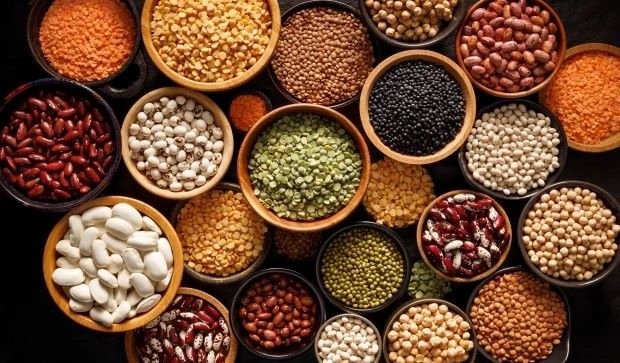
Mistake 3: Eating too many legumes without balance:
Beans and lentils are healthy but still contain carbs. Eating them alone or with other carbs, like rice, can raise blood sugar. They work better when combined with vegetables, nuts, and seeds.
Mistake 4: Thinking “healthy” means unlimited food:
Foods like olive oil, nuts, and cheese are healthy but high in calories. Eating too much can still lead to weight gain and blood sugar problems.
Must Read: Weight Watchers Mediterranean Diet – Discover The Power Of Combining!
Mistake 5: Not checking blood sugar after meals:
Everyone’s body reacts differently to food. Checking your blood sugar helps you understand which foods are good or bad for you personally.
Mistake 6: Drinking too much wine:
Wine is sometimes included in this diet, but alcohol can lower blood sugar too much, especially for people on diabetes medicine. If used, it should be only in small amounts and with food, and only after medical advice.
Expert Tips for Getting Started Easily Without Stress – Act Smart Now!
Simple Step-by-Step Guide:

| Phase | What to Do | Simple Explanation |
| Week 1— Swap Your Fats | Replace butter and regular vegetable oils with extra virgin olive oil in cooking, salads, and daily meals. | This simple change supports healthier fat intake and may help improve insulin sensitivity over time. |
| Week 2 — Increase vegetables | Fill half your plate with non-starchy vegetables at lunch and dinner | Make vegetables the main part of your meals to improve fullness and blood sugar control |
| Week 3 — Add more fish | Eat fish like salmon, sardines, or mackerel 2 times per week instead of meat | Helps replace meat with heart-healthy protein options |
| Week 4 — Switch to whole grains | Replace white bread, rice, and pasta with brown rice, quinoa, or whole-grain versions | Slower-digesting carbs help prevent blood sugar spikes |
| Ongoing — Better snacks | Choose nuts, yogurt, hummus with vegetables, or fruit with cheese instead of processed snacks | Keeps you full longer and reduces sugar cravings |
| Always — Monitor health | Check HbA1c, fasting glucose, cholesterol, and blood pressure before starting and again after 3–6 months | Helps you track progress and see real improvements |
Simple 7-Day Diabetic Meal Plan (Easy Version) – Try To Adapt!
Day 1:
Breakfast: Greek yogurt with berries and walnuts
Lunch: Chickpea salad with vegetables and olive oil dressing
Dinner: Baked salmon with zucchini and a small portion of quinoa
Snack: Almonds and an apple
Day 2:
Breakfast: Vegetable omelette with spinach and tomato
Lunch: Lentil soup with whole grain bread
Dinner: Grilled chicken with eggplant and cauliflower
Snack: Hummus with bell peppers
Read Also: Grocery Shopping List For Mediterranean Diet – Guide In 2024!
Day 3:
Breakfast: Oats with chia seeds and berries
Lunch: Tuna salad with greens
Dinner: Turkey stuffed peppers with brown rice
Snack: Walnuts and a pear
Day 4:
Breakfast: Whole-grain toast with avocado and egg
Lunch: White bean vegetable soup
Dinner: Grilled sardines with asparagus
Snack: Greek yogurt with flaxseeds
Day 5:
Breakfast: Smoothie with spinach, berries, and yogurt
Lunch: Quinoa with roasted vegetables
Dinner: Baked cod with broccoli
Snack: Mixed nuts
Day 6:
Breakfast: Vegetable frittata
Lunch: Chicken hummus wrap with whole wheat bread
Dinner: Small lamb kebab with salad and yogurt dip
Snack: Cucumber with feta
Day 7:
Breakfast: Barley porridge with nuts
Lunch: Lentil vegetable salad
Dinner: Small whole wheat pasta with vegetables
Snack: Berries with a small piece of dark chocolate
Frequently Asked Questions:
1. Is Mediterranean diet good for Type 2 Diabetes?
Yes, it is widely recommended for Type 2 diabetes because it improves insulin sensitivity, supports weight control, and helps keep blood sugar levels more stable. It also reduces the risk of heart problems, which are common in people with diabetes.
2. Is fruit allowed in Mediterranean diet for diabetics?
Yes, but choose low-glycemic fruits like berries, apples, and pears, and avoid fruit juices.Whole fruits are better because their fiber slows sugar absorption. Pairing fruit with protein or healthy fats (like nuts or yogurt) helps keep blood sugar more stable.
3. Is the Mediterranean diet safe if I’m on metformin or other diabetes drugs?
Yes, the Mediterranean diet is safe with metformin and other diabetes medicines. It can improve blood sugar control, but if your blood sugar drops too much, your doctor may need to adjust your dose. So, regular monitoring and keeping your healthcare provider informed are important.
4. Can this diet replace diabetes medication?
No, it cannot replace diabetes medication. It only supports blood sugar control, not treatment. Always follow your doctor’s advice, and never stop medication without medical guidance. Diet and exercise can help, but they should be used along with medication.
5. Can the Mediterranean diet reverse prediabetes?
Yes, with consistent use, weight loss, and healthy lifestyle changes, the Mediterranean diet can help reverse prediabetes. It improves insulin sensitivity and helps lower long-term blood sugar (A1c) levels over the time.
Conclusion:
The Mediterranean diet is a simple, balanced, and evidence-based eating pattern that supports blood sugar control and overall health. It may help improve insulin sensitivity, reduce the risk of diabetes, and support prediabetes reversal when combined with lifestyle changes. It also promotes heart health and long-term well-being, making it a safe and sustainable choice.

Hi! I’m Olivia Steeve, a certified nutritionist with over 11 years of experience in the field of diet and nutrition. At DietFitts, I focus on providing scientifically-backed, practical advice to help individuals achieve their health and fitness goals through balanced eating. I share insights, tips, and personalized guidance to help you make healthier choices and live your best life.