
What Is Carnivore Diet – Complete Beginner’s Guide 2026!

Welcome to the Carnivore Diet, where meat is the main food, and fruits and vegetables are out. This diet is perfect for meat lovers and invites you to enjoy an all-meat experience.
The carnivore diet is a no-plant diet that allows only animal-based foods. It includes:
- Fish
- Meat
- Seafood
- Eggs
- Animal fats
- Organ meats
Some dairy products, such as butter or hard cheese, may be allowed, but plant foods are excluded. Since it contains almost no carbohydrates, it is also called a “zero-carb” diet.
Many people try the carnivore diet for weight loss, better energy, and fewer cravings. This article explains how it works, what to eat, and what to know before trying it! So let’s get started.
Table of Contents:
What Is Carnivore Diet – Brief History!
The carnivore diet is a very strict diet that has become popular on social media, especially for quick weight loss. It includes only animal foods, such as meat, fish, seafood, eggs, and some dairy products like butter.

It does not allow plant foods or carbohydrate foods, such as fruits, vegetables, grains, nuts, or seeds. It is similar to the keto and Atkins diets but stricter. Keto and Atkins only reduce carbohydrates, while the carnivore diet removes almost all carbs and plant-based foods.
Shawn Baker, a former doctor, helped popularise the carnivore diet. He claims it may help with weight loss, diabetes, and mood problems, but there is not enough strong scientific proof to support these claims. Some people who follow the diet report good results, but experts say more research is needed.
How To Follow The Carnivore Diet – Tips For You!
1. Eliminate Plant Foods: Cut out all plant-based foods from your diet, including:
- Fruits
- Vegetables
- Grains
- Legumes
- Nuts
- Seeds

2. Focus on Animal Products: Base your meals around meat, fish, eggs, and small amounts of low-lactose dairy products.
3. Choose a Variety of Animal Products: Include a variety of meats in your diet such as:
- Beef
- Chicken
- Pork
- Lamb
- Turkey
- Organ meats
- Salmon
- Sardines
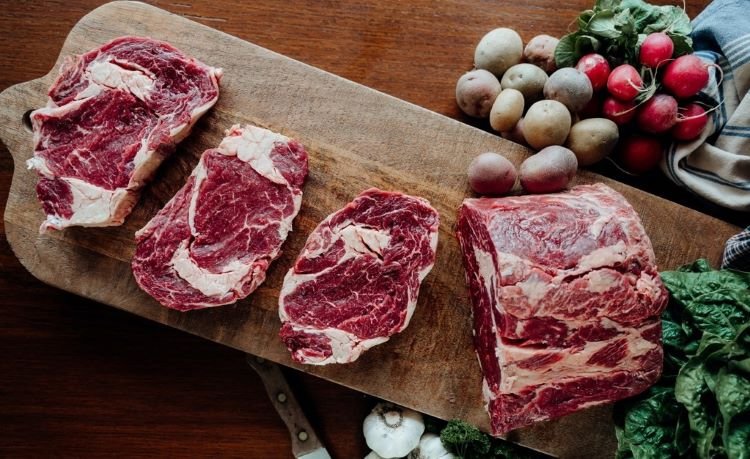
4. Include Fatty Cuts of Meat: Opt for fatty cuts of meat to meet your daily energy needs. Incorporate organ meats like liver to ensure adequate intake of essential vitamins and minerals.
5. Limit Plant-Based Drinks: Avoid drinking coffee, tea and other beverages made from plants. Stick to water and bone broth for hydration.
6. Eat as Often as Desired: The diet typically offers little guidance on calorie intake, serving sizes, or meal frequency. Most proponents suggest eating whenever you’re hungry and stopping when you’re satisfied.
7. Monitor your health: Observe how your body reacts to the diet. Consider consulting a healthcare professional to ensure you’re meeting your nutritional needs.
8. Stay hydrated: Ensure you drink enough water throughout the day to maintain hydration. Because this diet restricts fluids from plant-based sources.
9. Consider Supplements: Since the diet excludes many plant foods, you may need to consider supplementation for nutrients like vitamin C and fiber. Seek guidance from a healthcare provider for tailored advice.

10. Be Flexible: While the Carnivore Diet is highly restrictive, it’s essential to listen to your body and adjust as needed. Some individuals may find they need to reintroduce certain foods for optimal health and well-being.
Now you know what the carnivore diet is — let’s look at what you’ll actually eat. For real experiences from people worldwide, check out this Quora discussion.
What Foods Eat And Avoid In Carnivore Diet – Must Consider It!
1. Foods to Eat on the Carnivore Diet:
| Food Category | Examples |
| Meat | Beef, chicken, turkey, lamb, pork |
| Organ Meats | Liver, kidney, heart, brain, tripe, sweetbread |
| Fish & Seafood | Salmon, mackerel, sardines, crab, lobster, tilapia, herring |
| Other Animal Products | Eggs, lard, bone marrow, bone broth |
| Low-Lactose Dairy | Butter, hard cheese, heavy cream in small amounts |
| Drinks | Water |
| Seasonings | Salt, pepper, and zero-carb seasonings may be used by some people |

Note: Some people also include yogurt, milk, or soft cheese, but these contain carbohydrates, so they are usually avoided in a strict carnivore diet.
2. Foods to Avoid on the Carnivore Diet:
| Food Category | Examples |
| Vegetables | Broccoli, cauliflower, potatoes, green beans, peppers |
| Fruits | Apples, berries, bananas, kiwi, oranges |
| High-Lactose Dairy | Milk, yogurt, soft cheese |
| Legumes | Beans, lentils, chickpeas, peas |
| Nuts & Seeds | Almonds, pumpkin seeds, sunflower seeds, pistachios |
| Grains | Rice, wheat, bread, quinoa, pasta, oats |
| Alcohol | Beer, wine, liquor |
| Sugars & Sweeteners | Table sugar, brown sugar, maple syrup, honey |
| Other Drinks | Soda, coffee, tea, fruit juice |
Note: Some people may include a few of these foods in flexible versions, but a strict carnivore diet does not allow them.
Read Also: Can You Eat Cream Cheese On Mediterranean Diet? – Enjoy The Creamy Delight!
Can Carnivore Diet Help You Lose Weight? — Let’s Check It!
Certain parts of the carnivore diet might help you lose weight. Some studies have found that diets high in protein and low in carbs can lead to weight loss.
This is because protein and fat can make you feel full after meals, so you might eat fewer calories overall. Protein can also speed up how fast you burn calories.
So, if you follow the carnivore diet, you might feel fuller and eat less — at least for a while.

One study examined 132 adults with excess weight. It found that those who ate higher-protein diets lost more weight and fat than those who ate lower-protein diets.
Other studies show similar things, suggesting that eating more protein and fat can help you lose weight and keep it off.
But you don’t have to cut out all carbs to see results. Diets like the keto diet, which swaps carbs for high-fat foods, can also help with weight loss.
However, the carnivore diet is very strict, which can make it tough to stick to for a long time.
Benefits Of The Carnivore Diet – What You Must Know!
1. Short-Term Weight Loss:
The carnivore diet may help with short-term weight loss because it removes almost all carbohydrates and is high in protein. Protein helps you feel full for longer, and when carbs are very low, the body may start using fat for energy.

Some studies and surveys have reported weight loss and improved satisfaction among people following this diet. However, more long-term research is still needed.
2. Better Blood Sugar Control:
Because the carnivore diet contains almost no carbohydrates, it may help reduce blood sugar spikes. This may be helpful for some people with prediabetes or type 2 diabetes.
In some cases, people may see improvement in blood sugar levels and may need less diabetes medication. However, this should only happen under medical supervision.
Important warning: People who take insulin or diabetes medicine must be very careful. This diet can cause blood sugar to drop too low, which can be dangerous.
Must Read It: What Meats Can You Eat on the Mediterranean Diet – Have A Healthy Lifestyle!
3. Reduced Inflammation Symptoms:
Some people with conditions like joint pain, eczema, psoriasis, or digestive inflammation say they feel better on the carnivore diet.
This may happen because the diet removes many plant foods that can trigger symptoms in sensitive people, including gluten, lectins, oxalates, and other compounds. For some people, the carnivore diet works like a strict elimination diet.
However, most of this evidence comes from personal stories rather than robust clinical studies.
4. Better Focus and Mood:
Some people report better mental clarity, stable mood, and fewer energy crashes on the carnivore diet.
One possible reason is that very low-carb diets produce ketones, which the brain can use for energy. Another reason may be that avoiding sugar and refined carbs can help prevent sudden rises and drops in blood sugar.
Still, more research is needed to fully understand the effect of the carnivore diet on mood and mental health.
5. Relief from Digestive Problems:
Some people with bloating, IBS, or stomach discomfort may feel better because the carnivore diet removes many fermentable carbohydrates found in plant foods.

These carbs can cause gas, bloating, and digestive discomfort in sensitive people. By removing them, some people may notice fewer digestive symptoms.
However, the diet is also very low in fiber, which may cause constipation or gut health issues in others.
6. Helps Maintain Muscle During Weight Loss:
Animal foods are rich in complete protein. This means they provide all the essential amino acids the body needs to build and protect muscles.
When someone is losing weight, eating enough protein may help reduce muscle loss. This is one reason high-protein diets are often linked with better muscle preservation during weight loss.
7. Simple and Easy to Follow:
The carnivore diet is simple because the food choices are very limited. There is no need to count calories, plan complicated meals, or track many food groups.
For some people, this simplicity makes the diet easier to follow. However, because it is very restrictive, it may also be hard to continue for a long time.
Note: Since there’s not much research on the carnivore diet, it’s hard to say what its benefits are. We can only guess based on what we know about other diets and nutrients.
Also Read It: Mediterranean Diet No Fish – Transform Your Eating Habits!
Downsides Of The Carnivore Diet – Consider All!
1. Nutrient Deficiency:
The carnivore diet cuts out fruits, vegetables, grains, and legumes, which provide essential vitamins and minerals like:
- Vitamin C
- Potassium
- Magnesium
- Fiber
Without vitamin C, you risk developing scurvy. Fiber, which comes from plant foods, is essential for a healthy digestive system. The American Heart Association suggests consuming 25-30 grams of fiber every day.

However, the carnivore diet offers none, increasing the risk of constipation and other digestive issues.
2. Heart Disease Risk:
A study in the Journal of the American College of Cardiology found that diets high in red and processed meats increase the risk of heart disease. These foods raise LDL (bad) cholesterol levels.
The American Heart Association advises limiting saturated fat to 5-6% of daily calories to lower heart disease risk. The carnivore diet, high in red and processed meats, often exceeds this limit.
3. Digestive Issues:
Without fiber, as is the case with the carnivore diet, bowel movements can become irregular and difficult. Lack of fiber often causes constipation, affecting about 16% of adults worldwide, according to the World Health Organization.
Fiber also feeds good bacteria in the gut. A diet without fiber, like the carnivore diet, can upset gut bacteria balance, leading to digestive problems.

4. Kidney Strain:
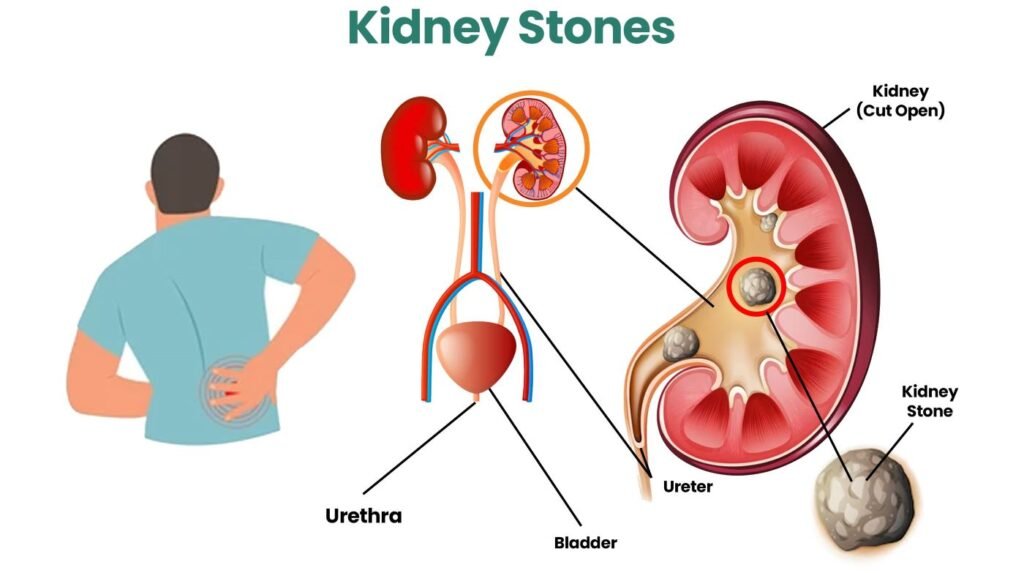
Excessive protein from the carnivore diet can strain the kidneys. This is especially true for those with existing kidney conditions. A study in the American Journal of Kidney Diseases found that high protein intake increases the risk of kidney stones and chronic kidney disease.
High-protein diets, such as the carnivore diet, require more water. This helps remove excess nitrogen, a byproduct of protein metabolism. Not drinking enough water can lead to dehydration and kidney problems.
5. Lack Of Variety And Balance:
Eating only animal products can get boring and hard to stick to over time. Variety in your diet is important for both mental and physical health. The USDA recommends eating a mix of different food groups to get enough nutrients. The carnivore diet doesn’t have this balance, which can lead to nutrient deficiencies.
6. Potential For Unproven Health Claims:
Most of the benefits talked about by supporters of the carnivore diet are based on personal stories rather than scientific proof. A review in the journal Nutrients says we need more research on extreme diets like this.
Must Read: Mediterranean Cortisol Detox Diet – Finally Feel Like Yourself Again!
How to Start the Carnivore Diet the Right Way – Some Suggestions!
It is better not to switch from a normal diet to a meat-only diet all at once. Start slowly by removing processed foods first, then grains, and later fruits and vegetables over a few weeks.
Week 1 — Remove Processed Foods and Sugar:
Stop eating packaged foods, fast food, candy, desserts, and sugary drinks. Keep the rest of your diet the same.

Week 2 — Remove Grains and Beans:
Cut out bread, pasta, rice, oats, beans, and lentils. Start eating more meat, fish, and eggs.
Week 3 — Remove Fruits and Vegetables:
Now remove all plant foods from your diet. At this point, your meals should come only from animal-based foods.
Week 4 and After — Adjust Your Diet:
Pay attention to how your body feels. Adjust your protein and fat intake, add organ meats as needed, drink enough water, and focus on electrolytes such as sodium, potassium, and magnesium. Give your body time to adapt.
Important Note: On the carnivore diet, fat is just as important as protein. Eating only lean meat may cause fatigue, so include fatty foods like ribeye, salmon, pork belly, butter, or 80/20 ground beef to boost energy.
Who May Benefit Most from the Carnivore Diet? – Depend on adaptivity!
1. People with Autoimmune Conditions:
Some people with autoimmune problems, such as rheumatoid arthritis, psoriasis, lupus, or Hashimoto’s, say their symptoms improve when they remove plant foods. The carnivore diet works like a very strict elimination diet.
It removes many foods that may trigger inflammation in sensitive people. However, results can vary from person to person, so medical guidance is important.

2. People with Digestive Problems:
People with IBS, IBD, SIBO, bloating, gas, or stomach discomfort may feel better because the diet removes many foods that can cause digestive symptoms. Since plant fibers and fermentable carbs can trigger bloating in some people, removing them may give short-term relief. However, the lack of fiber may cause constipation in others.
Also Read: Is Sushi On The Mediterranean Diet – Guide In 2026!
3. People Stuck in Weight Loss:
Some people who stop losing weight on other diets may try the carnivore diet because it is very low in carbohydrates and high in protein. This may help reduce hunger, control cravings, and make the body use stored fat for energy. Still, weight loss depends on total calorie intake, activity level, sleep, and overall health.
4. People with Strong Carb Cravings:
People who struggle with sugar, bread, snacks, or processed foods may find this diet easier because it removes all trigger foods at once. A high-protein diet may also help them feel full for longer. However, this diet is very strict, so it may be hard to follow for a long time.
5. People Trying an Elimination Diet:
The carnivore diet may be used as a short-term elimination diet to help identify food sensitivities. By removing most foods, a person may notice which foods cause symptoms when they are added back later. This should be done carefully because the diet removes many important food groups and may lead to nutrient gaps if followed for too long.
Who Should Never Try This Diet – Important Note!
Do not follow the carnivore diet without a doctor’s guidance if you have:
- Kidney disease or only one kidney
- Heart disease or very high cholesterol
- A history of eating disorders
- Type 1 or Type 2 diabetes, especially if you take medicine or insulin
- Gout, because organ meats may trigger attacks
- Pregnancy or breastfeeding
- Children or teenagers, because they need balanced nutrition for growth
Carnivore Diet Shopping List – What To Buy!
A carnivore diet shopping list should mainly include animal-based foods such as meat, seafood, eggs, bone broth, and simple seasonings. Beginners can use the list below to plan their groceries more easily.
| Food Category | Foods to Buy |
| Beef | Ribeye steak, New York strip steak, brisket, beef jerky |
| Pork | Pork chops, pork ribs, pork rinds |
| Chicken | Chicken thighs, chicken breast |
| Organ Meats | Liver, kidneys |
| Lamb | Lamb chops |
| Seafood | Shrimp, mussels, scallops, lobster, trout, salmon, sardines, salmon jerky |
| Other Animal Foods | Eggs, bone broth, bone marrow |
| Seasonings | Sea salt, peppercorns |
A 7-Day Carnivore Diet Sample Menu – Options For You!
| Day | Breakfast | Lunch | Dinner |
| Day 1 | Scrambled eggs cooked in butter | Grilled ribeye steak with bone broth | Salmon with boiled eggs |
| Day 2 | Beef patties with fried eggs | Chicken thighs with bone broth | Pork chops with a small amount of hard cheese |
| Day 3 | Omelet with butter and cheese | Lamb chops with bone marrow | Grilled trout with eggs |
| Day 4 | Boiled eggs with beef jerky | Pork ribs with bone broth | Ground beef cooked in animal fat |
| Day 5 | Eggs cooked in butter | Salmon or sardines with bone broth | Ribeye steak with liver in a small portion |
| Day 6 | Chicken breast with eggs | Shrimp or scallops with butter | Lamb chops or beef steak |
| Day 7 | Fried eggs with pork rinds | Grilled chicken thighs with bone broth | Beef brisket with hard cheese |
Important Note: This is only a sample plan. The carnivore diet is very restrictive and may not be suitable for everyone. People with kidney disease, heart disease, diabetes, gout, pregnancy, or a history of eating disorders should speak with a doctor before trying it.
Frequently Asked Questions:
1. Is a carnivore diet actually healthy?
No, the carnivore diet may raise the risk of heart disease because it focuses on foods high in saturated fat, like fatty steaks. These foods can raise cholesterol levels. Avoiding fruits, vegetables, beans, nuts, and seeds might also increase your risk.
2. Do you lose weight on a carnivore diet?
On average, participants’ BMI dropped from 27.2 to 24.3. Both personal stories and a large survey suggest that for most people who try it. The carnivore diet is an effective way to lose weight.
3. Who should not eat carnivore?
The carnivore diet can pose risks for those with high blood pressure, high cholesterol, or heart issues. Its lack of fiber may lead to constipation and poor gut health. Seek advice from a healthcare provider, like a registered dietitian, before trying it.
Conclusion:
The carnivore diet may help some people lose weight and feel fewer cravings because it removes carbs and focuses on animal-based foods. However, it is very restrictive and may cause nutrient gaps, digestive problems, heart risks, or kidney strain. Anyone considering it should speak with a healthcare professional before starting.

Hi! I’m Olivia Steeve, a certified nutritionist with over 11 years of experience in the field of diet and nutrition. At DietFitts, I focus on providing scientifically-backed, practical advice to help individuals achieve their health and fitness goals through balanced eating. I share insights, tips, and personalized guidance to help you make healthier choices and live your best life.